
 admin
admin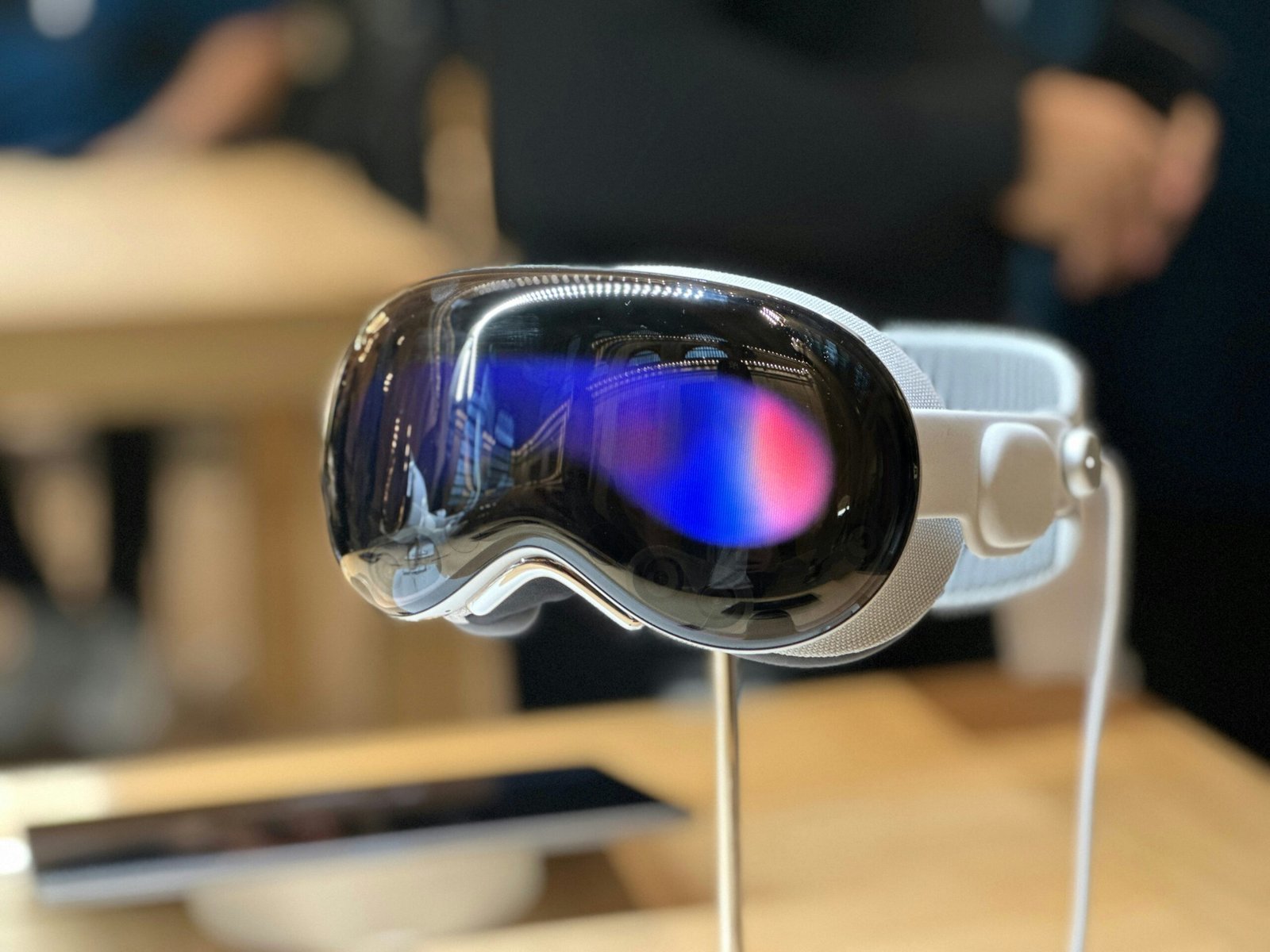
Overview of Apple Vision Pro Market Entrance
Apple Vision Pro when Apple introduced the Vision Pro, the tech world braced for the arrival of a “spatial computing” device with the potential to shape the future of immersive technology. Released at a premium price point of $3,500, Vision Pro immediately signaled that Apple intended to make a statement—not just to consumers, but to developers, businesses, and rivals in the fast-evolving AR/VR market.
Unraveling the Profit Landscape Apple Vision Pro
From the outside, the Vision Pro looks like another ambitious Apple launch. But profitability isn’t merely about buzz or headlines—it comes down to sales, margins, and long-term ecosystem value. Early reports indicate Vision Pro generated strong initial revenue, with analysts estimating annual sales in the realm of $5–10 billion. Yet, when stacked against the iPhone—which sells hundreds of millions of units annually—these numbers are modest. Estimates place Apple’s gross margin per unit roughly on par with other hardware launches, but the cost of advanced components, R&D, and early-stage marketing may reduce overall profitability in the short term.
Business Markets Versus Consumers: Who Is Buying?
An interesting dynamic is unfolding around who is actually buying Vision Pro. The device clearly targets enterprise clients—medical visualization, design, remote collaboration—and early adopters who seek out the cutting-edge. For these groups, the high price is justified by superior displays, precise tracking, and seamless integration with Apple’s broader suite. For everyday consumers, however, adoption is thin: the high entry cost, the relatively limited app ecosystem, and the device’s size and battery life have proven barriers.
Comparing Apple Vision Pro to Past Apple Launches
Historical comparison is helpful here. The original iPhone and Apple Watch faced skepticism in their first iterations, with doubts about mainstream appeal and utility. Over time, those products evolved in both functionality and affordability, eventually reaching mass-market success. With Vision Pro, however, Apple faces a steeper challenge—competition from lower-priced alternatives and a market not yet convinced of everyday AR/VR’s value. That said, the company’s track record suggests Vision Pro may be a multi-year bet rather than a quick-win product.
Challenges in Sustaining Momentum
The initial surge of developer enthusiasm has tapered since launch, a possible sign of slower-than-expected user growth. Developer tools and compelling software are still evolving. Reports of Apple possibly refocusing its wearable roadmap—perhaps moving resources to more accessible devices—hint that Vision Pro may not remain the company’s primary AR/VR hardware for long. Investors and industry watchers are already debating whether Apple will expand the Vision family or consolidate efforts in other spatial technology directions.
The Bottom Line: Profit but with Caveats
So, is Vision Pro a profitable product? In dollars generated per device, yes—Apple’s tight supply chain and efficient manufacturing all but guarantee respectable margins. But by Apple’s lofty standards, Vision Pro is not (yet) a blockbuster. It’s more a prestige play, securing market position and mindshare than an immediate profit engine. Its long-run value may ultimately arise from what it teaches Apple about future interfaces, developer tools, and user behaviours.
Looking Ahead: Will Vision Pro Find Its Place?
Apple has never been shy about playing the long game. Should technology costs fall, content offerings proliferate, and user feedback shape better hardware, Vision Pro could become a core pillar of Apple’s ecosystem. For now, the product stands as an expensive experiment with respectable—if not explosive—profitability, setting the stage for what comes next in the mixed reality evolution.


