
 admin
admin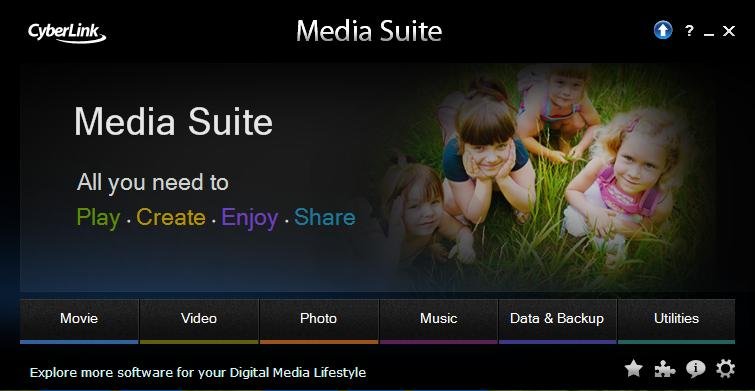
CyberLink Media Suite has earned a lasting reputation as a multimedia powerhouse, blending robust tools for video editing, audio management, photo enhancement, disc burning, and media playback into a single user-friendly package. For years, it was the go-to suite for households and creative enthusiasts looking to manage and enjoy their digital media collections with ease. Over time, as technology and user habits changed, so has the suite itself. In this article, I’d like to take you on a little nostalgic journey from its popular past to its current role in the evolving world of multimedia software in 2025.
The Building Blocks of Media Suite
Picture the era when CDs and DVDs were still king. At the heart of CyberLink Media Suite’s appeal was its thoughtful collection of specialized applications:
- PowerDirector: The suite often anchored itself around PowerDirector, CyberLink’s flagship video editor. With easy drag-and-drop timelines, a diverse effects library, and intuitive features, it opened up video production to beginners and hobbyists alike.
- PhotoDirector: Photo editing became a breeze thanks to PhotoDirector, which balanced streamlined one-click enhancements with sophisticated controls for advanced users.
- Power2Go: As physical media maintained its stronghold, Power2Go emerged as an invaluable tool for burning, backing up, or copying just about any type of disc—CD, DVD, or Blu-ray.
- PowerDVD: A media suite without playback would feel incomplete, and that’s where PowerDVD came in. It handled a wide variety of audio and video formats and quickly became the gold standard for Blu-ray playback on PCs.
- Additional Utilities: From basic audio editing to device synchronization and media conversion. These extras filled almost every imaginable need for home multimedia aficionados.
Why It Once Ruled the Digital Media World
CyberLink Media Suite distinguished itself from the crowd by offering this deep toolkit under one roof—and at an accessible price. For families digitizing old photos, film buffs watching Blu-rays, students burning projects to DVDs. Or creators learning video editing from scratch, this suite felt like an all-in-one command center.
Integration was key. Moving from editing a home movie in PowerDirector to burning it on a personalized DVD with Power2Go was nearly seamless. That smooth user experience, combined with regular updates and a reliable interface, earned the suite favorable reviews and a loyal customer base.
The Shift to Streaming and the Cloud
Of course, nothing in tech stands still for long. As the world gravitated towards streaming services, cloud storage, and on-demand content. The demand for traditional disc burning and playback tools waned. Media consumption became less about creating and archiving and more about instant access. CyberLink recognized these trends and began to place increasing emphasis on mobile-friendly, cloud-enabled, and AI-powered features. For example, video editors started supporting 360-degree video and AI-driven enhancements. While cloud integration made it easier to save and share creations online.
CyberLink’s New Direction in 2025
Fast forward to today, and the CyberLink brand is stronger than ever—but Media Suite itself isn’t as prominent in the spotlight. Now, you’ll find CyberLink investing deeply in its flagship products like PowerDirector and PhotoDirector. Which are available as standalone desktop or subscription-based cloud applications. These modern incarnations come loaded with machine learning tools, intuitive interfaces, and seamless connections to cloud platforms and mobile devices.
Users seeking the “classic” Media Suite experience can still assemble their own toolkit from CyberLink’s menu of individual apps. Each is more powerful and versatile than ever before, reflecting the rapid pace of multimedia tech evolution.
Is Media Suite Still Relevant?
For some, the all-in-one charm of Media Suite may feel like a thing of the past. However, there’s no denying its influence on today’s digital creativity landscape. Its legacy lives on in CyberLink’s current lineup—and in the workflows of users who grew up making movies and slideshows with its simple yet powerful tools.
Looking ahead, multimedia creation will continue to evolve, but the core mission remains unchanged. Unlocking creativity and making complex media fun and accessible. And for that, I think CyberLink Media Suite deserves its spot in the digital hall of fame.


