 admin
admin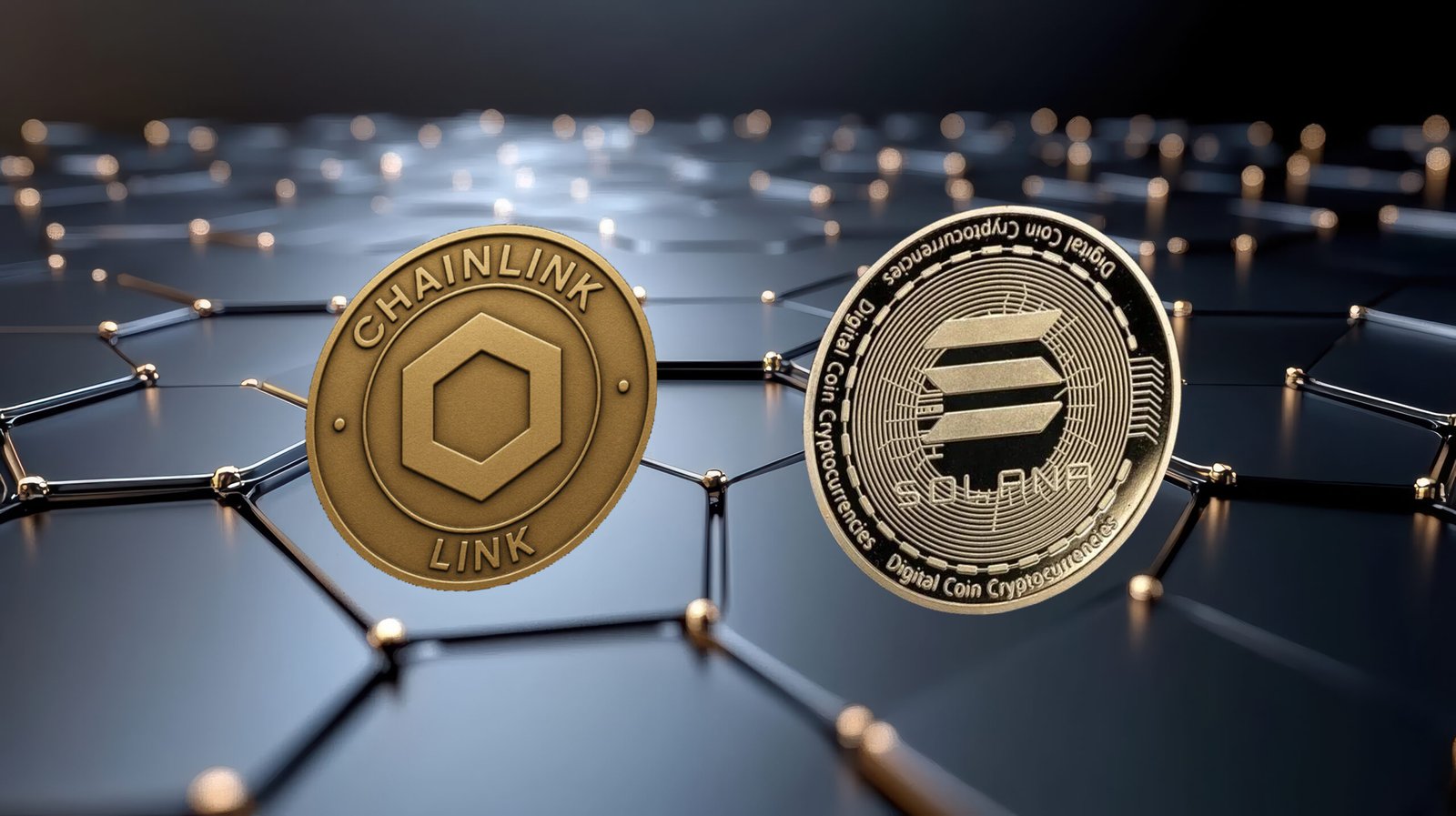
The Bold Move: Expanding Access to LINK and SOL
Chainlink Gaming if there’s one thing I’ve learned about the crypto space, it’s that changes come at breakneck speed. And this month, PayPal and Venmo shook things up by rolling out support for Chainlink (LINK) and Solana (SOL) on their platforms for US users. It’s a move that signals far more than just one more pair of tokens added to an ever-growing list—it’s a quietly radical shift in how mainstream Americans interact with crypto.
Previously, PayPal and Venmo users could buy and sell a handful of major cryptocurrencies like Bitcoin, Ethereum, and Litecoin. But Chainlink and Solana’s arrival breaks new ground. Why these tokens? The answer lies partly in their growing utility and adoption—not just as speculative assets, but as practical infrastructure powering blockchains, smart contracts, and especially, new frontiers like gaming.
Breaking Down the Tokens: Why Chainlink and Solana?
Chainlink isn’t your average cryptocurrency—it’s the backbone for secure, real-world data to be used by smart contracts on any blockchain. Think of it as a translator, connecting the blockchain universe to real-world events and data feeds. For gaming, this unlocks everything from provably fair randomness in loot boxes to verifiable in-game economies.
Solana, on the other hand, is built for speed. Its ultra-fast, low-cost transactions mean games and apps can process tons of micro-payments—ideal for game studios looking to adopt crypto for things like player rewards, NFTs, and in-game assets, without the horror of paying sky-high fees every time you buy an item or skin.
Chainlink Gaming: Gaming and Beyond
Let’s get real: crypto in gaming has had its skeptics. But with PayPal and Venmo joining the party, a much larger slice of everyday internet users now have easy, instant access to powerful blockchains like Solana and utility-driven networks like Chainlink.
For game developers and publishers, this change could be transformative:
- Wider Audience: Players can onboard with familiar payment tools—no need to learn complex wallets or exchanges.
- Frictionless Payments: Solana’s efficiency means purchasing in-game items or transferring rewards can be as seamless as swiping a debit card.
- Proven Security and Fairness: Chainlink’s decentralized oracles provide transparency—games can prove randomness, ownership, and authenticity in ways not possible before.
These attributes matter not just for indie blockchain games, but for AAA studios pondering their next big move into web3 gaming.
A New Standard for Digital Payments
It isn’t just about gaming though. By welcoming Chainlink and Solana, PayPal and Venmo are normalizing newer, utility-focused cryptos for things like:
- Smart contract automation
- Instant, global remittance
- Decentralized finance (DeFi) services
And they’re doing it via intuitive, trusted interfaces. For many users, this might be the first time they send $20 worth of crypto to a friend with nothing but a Venmo handle—no daunting wallet addresses required.
Chainlink Gaming: What Comes Next?
Here’s what’s truly exciting: this is likely just the start. As major payment platforms keep pace with web3 innovation, we’ll see even more blurring of the lines between traditional finance, blockchain technology, and digital economies. Expect:
- More tokens integrated based on user demand
- Deeper partnerships with gaming platforms
- New DeFi and NFT experiences accessible from apps people already use daily
In the meantime, gamers and crypto enthusiasts alike now have new tools at their fingertips. For developers, it’s a call to experiment. For players and spenders, it’s a leap toward a world where digital value can move at the speed of play.


